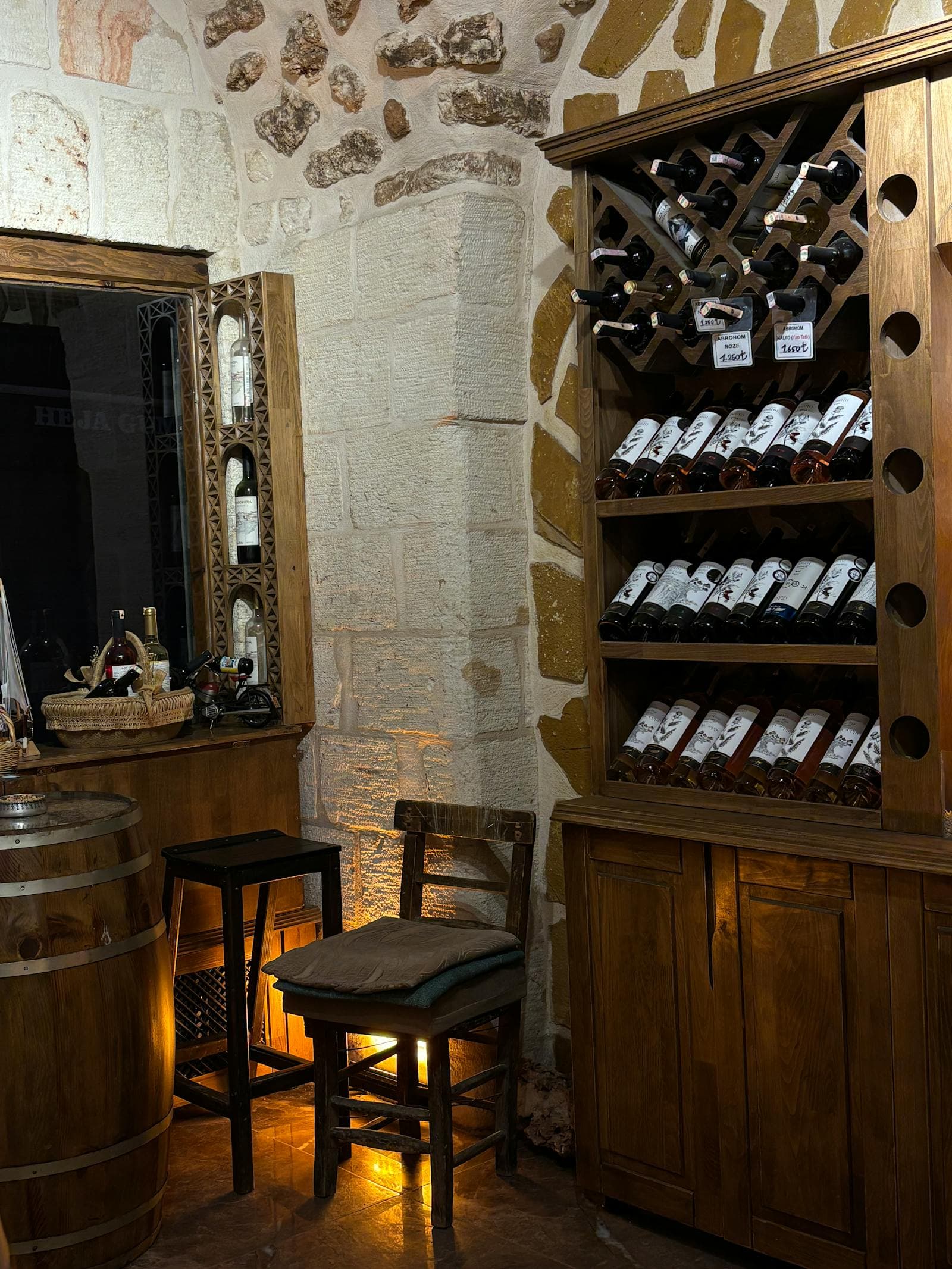
Wine Cellar Construction
Wine cellar construction is heavy work — excavation, framing, structural reinforcement, waterproofing, code compliance, the whole sequence — that turns rough basements, new additions and dedicated rooms into climate-controlled wine vaults built to last decades. We are licensed general contractors with a wine cellar specialty, which means we can pull permits, demolish existing space, build out from scratch, and finish the room in one continuous workflow. No coordinating between three trades, no waterproofing contractor blaming the framing crew. One team, one schedule, one accountability chain — from the first jackhammer strike to the final climate calibration.
Why wine cellar construction is its own discipline
Constructing a room that has to hold 55°F and 60% humidity year-round, against an outside ambient that swings from 20°F winters to 100°F summers, is fundamentally different from constructing a finished basement or an additional bedroom. The wall assemblies are different. The vapor barrier orientation matters. The structural load of full racking (a 1,500-bottle wine cellar can weigh 3,500 pounds) needs to be calculated for your existing floor system. The waterproofing has to survive constant condensation pressure on the warm side. General contractors who construct one wine cellar a year will get most of this wrong because the failure modes do not show up for 6-18 months — long after final payment. We construct wine cellars exclusively, so every detail is the detail we get right.
How we run a wine cellar construction project
Construction starts with permits and demolition. We pull every required permit (building, electrical, mechanical, plumbing where condensate runs apply) and handle inspections directly with the local jurisdiction. Demolition removes the existing finishes, exposes the framing, and gives us clean substrate to work from. Structural work comes next — reinforcing the floor for racking load, correcting any framing issues, adding blocking for racks and fixtures. Then waterproofing on any below-grade walls (typically a fluid-applied membrane), followed by closed-cell spray foam and the vapor barrier. Mechanical rough-in (cooling lines, condensate, electrical, low-voltage) goes in before drywall. Drywall, taping, and finish come next. Then racking, lighting, glass, doors and final finishes. Last week is climate commissioning — running the room under load for seven days and tuning until the climate is rock solid. Most projects run six to ten weeks of construction, plus permitting and design up front.
What's Included
- Basement excavation and waterproofing
- Cellar additions and outbuildings
- Reinforced flooring for racking systems
- Permits, inspections, and code compliance
Technical Specifications
Construction errors that ruin cellars
- ✕Pouring a slab without below-slab insulation — the cellar fights the cold floor forever
- ✕Framing too tight against masonry — no room for spray foam continuous coverage
- ✕Skipping below-grade waterproofing because the basement looks dry — humidity will find every gap
- ✕Rough-in cooling lines without insulating the suction line — sweating in the wall cavity
- ✕Floating the floor without sealing the perimeter — air-leak path under every wall
Continue Your Cellar Project
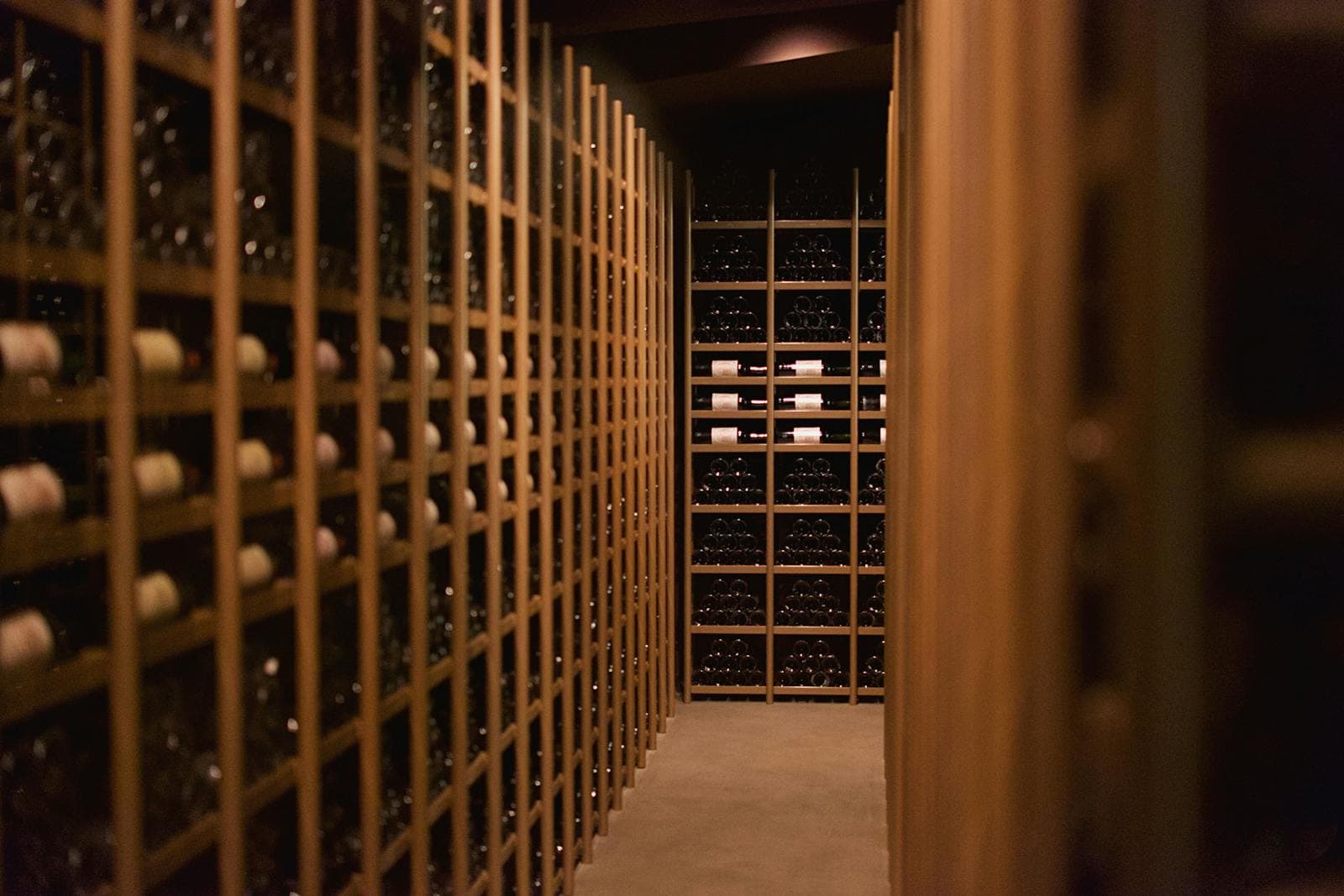
Wine Cellar Installation
Professional installation from foundation to finish — structural, electrical and cooling.
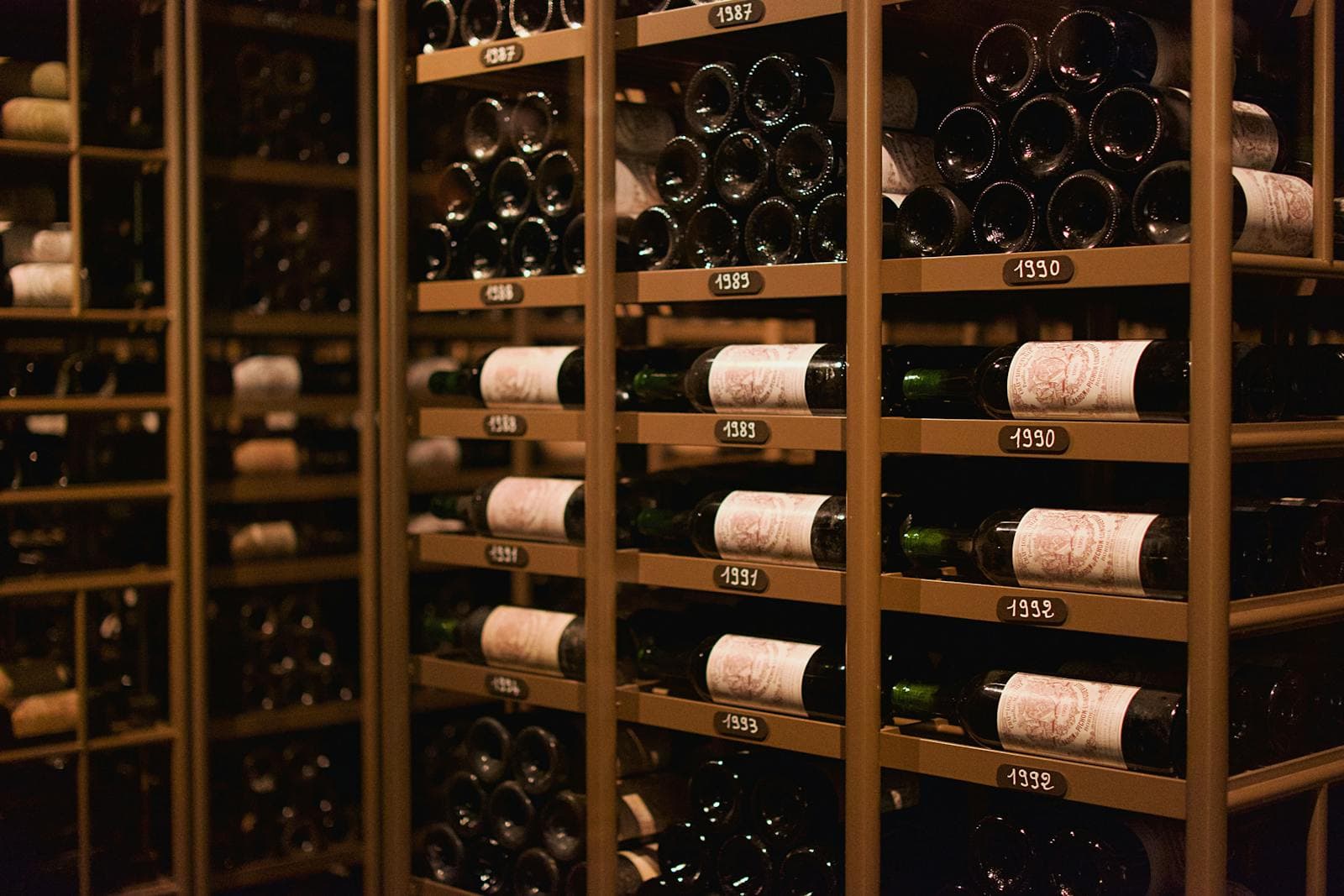
Wine Cellar Insulation
Closed-cell foam and rigid-board insulation engineered for cellar climates.
Wine Cellar Contractors
Licensed, insured, certified — building wine cellars exclusively since 2006.
Custom Wine Cellars
One-of-a-kind cellars built around your home, your collection and your taste.
Wine Cellar Construction Questions
Can you construct a wine cellar in a new home build?+
Yes — and new construction is the easiest condition to get a wine cellar right. We coordinate directly with your architect and general contractor, provide structural and mechanical specifications during framing, and integrate our crew into the broader build schedule. Building a wine cellar into new construction typically saves 15-25% versus a retrofit because we can place penetrations, run dedicated circuits, and add structural blocking before drywall closes the walls.
Do I need permits to construct a wine cellar?+
Almost always yes. A wine cellar usually involves new electrical circuits, mechanical work (the cooling unit and condensate handling), and sometimes structural changes. Local building code requires permits and inspections for any of these. We handle all permitting directly and provide stamped drawings for any jurisdiction. Operating an unpermitted wine cellar can void your homeowner's insurance and create disclosure problems if you ever sell.
Will construction disrupt the rest of my house?+
Less than you think. We seal off the work area with floor-to-ceiling plastic, run negative-pressure dust extraction, and contain debris. Most clients report that the dust and noise are equivalent to a kitchen renovation — present but manageable. We schedule loud demolition for early in the project and reserve quieter finish work for the back half. Daily site cleanup is standard.
What does wine cellar construction typically cost?+
Pricing varies with the size of the room, the materials you pick and the condition of the existing space. A straightforward project usually lands between $8,000 and $35,000; larger custom builds run higher. We give you an itemized quote — labor, materials, cooling, electrical, permits — before we ask for a deposit, so you can compare apples to apples.
How long does wine cellar construction take from start to finish?+
Two to four weeks of work on-site is normal for a residential project, plus design and permitting up front. Larger custom builds run six to ten weeks. We hand you a real schedule on day one — and we update it every Friday.
Are you licensed, insured, and warrantied?+
Yes — fully licensed and insured in all 50 states, with HVAC-certified technicians on every cooling install and a 10-year structural warranty on every wine cellar we hand over. Our cooling units carry the manufacturer warranty plus our own service-plan coverage.
Will I work with the same team from start to finish?+
Yes. One project manager and one in-house crew handles the entire job. We never subcontract framing, cooling, racking or finish work to a third party — that's the whole reason the company exists.