Custom Wine Cellar Design
Wine cellar design is the discipline that decides whether a room becomes a piece of architecture or a glorified beverage closet. Our in-house design team renders every cellar in 3D before we cut a board — you see the racking pattern, the lighting wash, the door swing, the glass, and the floor finish exactly as they will appear when the build is done. Wine room design done right balances four things at once: bottle capacity, visual impact, daily access, and the climate envelope. Get any one wrong and the room either looks beautiful but performs badly, or performs well but looks like a warehouse. We design every wine cellar to do both — and we hand you the renderings to prove it before construction begins.
Why wine cellar design must come before construction
Designing a wine cellar after construction has started is the single most expensive mistake a homeowner can make. The wall positions decide the racking layout. The racking layout decides the BTU load. The BTU load decides the cooling unit. The cooling unit decides the framing depth needed for the chase. By the time someone realises the door is in the wrong corner or the cooling unit will not fit, drywall is already up and the change orders start. Our designers begin with three numbers — your bottle count, your daily-access count, and your ambient room — and from those derive the entire room. We then push back on aesthetics until the math works. The result is a wine room that holds climate, displays the collection beautifully, and never needs to be retrofitted to make the cooling work.
Our wine cellar design process
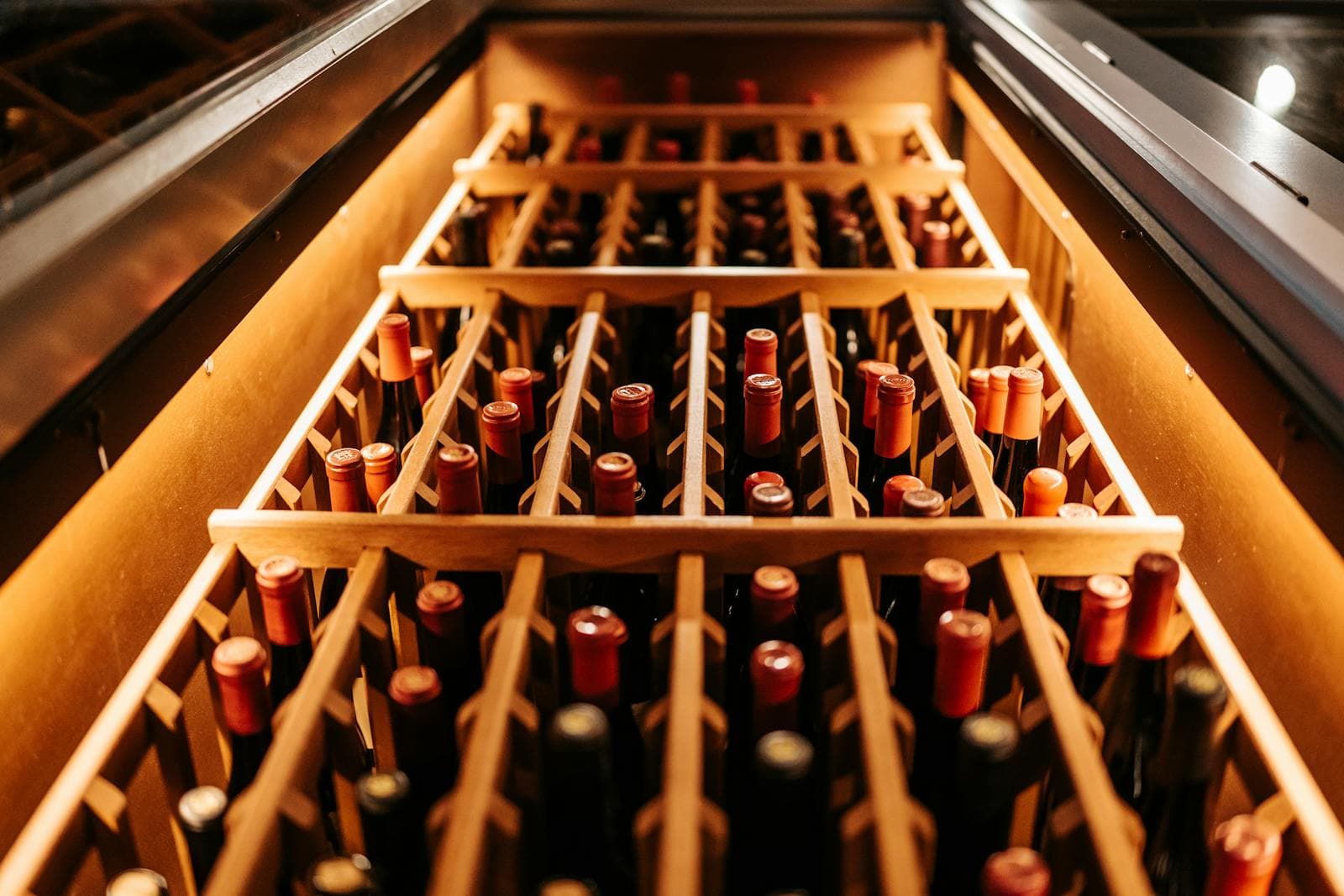
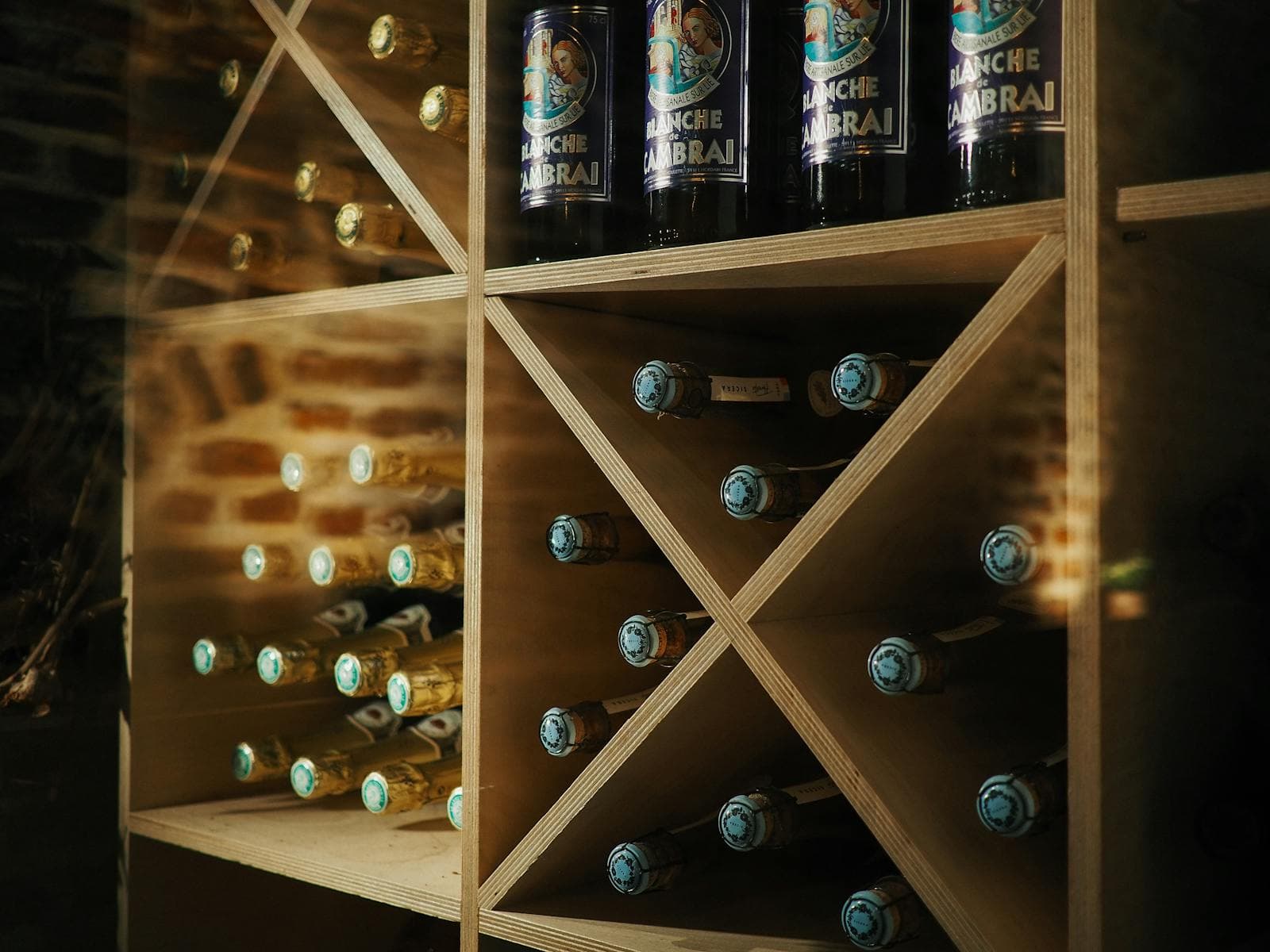
Step one is a discovery call: how many bottles today, how many in five years, what formats (standard, magnum, splits), what budget envelope. Step two is a site visit or detailed plan review. Step three is the first 3D rendering — typically delivered within seven business days. We render the room from four angles, pick the racking style (display rows, diamond bins, magnum slots, lay-down storage), choose materials (redwood, sapele, mahogany, metal), specify the lighting scenes, and place the cooling supply and return. Step four is two to three rounds of revisions while we refine the look. Step five is engineering: we lock the BTU calculation, finalise electrical loads, and prepare permit drawings. Only after the design is signed off do we order materials and schedule the crew. Most clients spend three to five weeks in design before construction starts — that time is what separates a great wine cellar from a regrettable one.
What's Included
- Photorealistic 3D renderings
- Material selection — redwood, mahogany, metal
- Lighting and display planning
- Capacity optimization for your collection
Technical Specifications
Design mistakes we routinely correct
- ✕Maximising bottle count to the point that air cannot circulate around the racking
- ✕Specifying a glass wall without engineering for the additional cooling BTU load
- ✕Picking racking material that will not survive cellar humidity (anything not properly sealed)
- ✕Designing a cellar door from a hardware catalogue instead of a real wine cellar door supplier
- ✕Forgetting access — leaving you to climb a ladder for the top three rows of every visit
Continue Your Cellar Project
Wine Cellar Installation
Professional installation from foundation to finish — structural, electrical and cooling.
Custom Wine Cellars
One-of-a-kind cellars built around your home, your collection and your taste.
Wine Cellar Lighting
Low-heat, dimmable LED systems designed for display and preservation.
Wine Storage Solutions
Custom racking, modular kits, and innovative storage for any space and budget.
Custom Wine Cellar Design Questions
Do I need a wine cellar designer or can I work directly with a contractor?+
If you want a real custom wine cellar, you need a designer who specialises in cellars — not a general contractor or a kitchen designer. Cellar design demands BTU math, vapor envelope thinking, and racking expertise that takes years to develop. Our design team has produced more than 1,200 cellars; we have seen which racking patterns hold up, which materials warp in cellar humidity, and which lighting fixtures survive a decade. A good wine room design will save you the cost of the design work several times over in avoided change orders and replacement costs.
What does wine cellar design cost?+
Standalone design (drawings, 3D renders, material specifications, BTU calculations) typically runs $2,500 to $7,500 depending on complexity. When we build the project, we credit the full design fee back against the construction contract — so on most projects the design is effectively free. We never lock you into building with us; if you take our drawings to another builder we wish you well.
How accurate are the 3D renders compared to the finished cellar?+
Very. We render in real materials, with real lighting calculations, at the actual room dimensions. Clients consistently say the finished cellar looks identical to the render — which is the point. The render is your last chance to change anything before money starts being spent on lumber and cooling units.
What does custom wine cellar design typically cost?+
Pricing varies with the size of the room, the materials you pick and the condition of the existing space. A straightforward project usually lands between $8,000 and $35,000; larger custom builds run higher. We give you an itemized quote — labor, materials, cooling, electrical, permits — before we ask for a deposit, so you can compare apples to apples.
How long does custom wine cellar design take from start to finish?+
Two to four weeks of work on-site is normal for a residential project, plus design and permitting up front. Larger custom builds run six to ten weeks. We hand you a real schedule on day one — and we update it every Friday.
Are you licensed, insured, and warrantied?+
Yes — fully licensed and insured in all 50 states, with HVAC-certified technicians on every cooling install and a 10-year structural warranty on every wine cellar we hand over. Our cooling units carry the manufacturer warranty plus our own service-plan coverage.
Will I work with the same team from start to finish?+
Yes. One project manager and one in-house crew handles the entire job. We never subcontract framing, cooling, racking or finish work to a third party — that's the whole reason the company exists.