Wine Storage Solutions
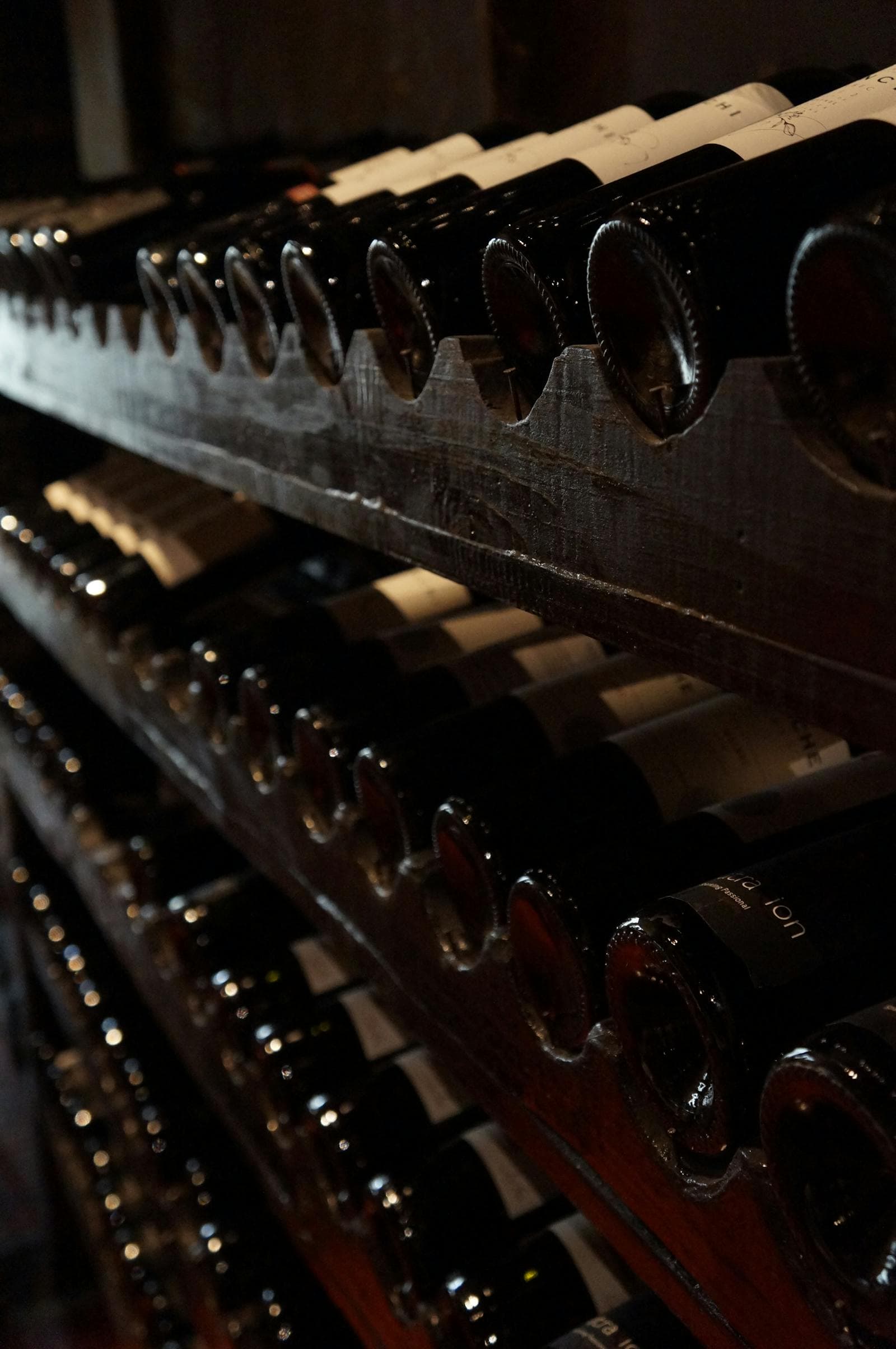
Wine storage solutions span every form factor from a 100-bottle modular kit installed in a closet to a 10,000-bottle estate vault with bespoke racking, glass walls and dedicated cooling. Our wine storage work covers the whole spectrum: modular racking kits for fast installs, fully custom-milled racking for showpiece cellars, display rows that turn bottles into architecture, magnum and large-format slots for collectors with serious holdings, and innovative storage approaches (pull-out drawers, rotating racks, hidden compartments) for clients who want something nobody else has. Whether the goal is maximum bottle density, maximum visual impact, or maximum daily access — we design and build wine storage that fits the room, the collection, and the way you actually use your wine.
Why wine storage design is not a furniture problem
Wine storage looks like a furniture problem from the outside — pick a racking system from a catalogue, install it, fill it with bottles. The reality is that storage decisions drive cooling decisions, airflow decisions, lighting decisions, and ergonomic decisions for the entire cellar. A maximum-density racking layout can choke airflow and create local hot spots that damage wine. A pure display layout can waste 40% of available bottle capacity. A racking system with no large-format slots forces you to lay magnums sideways in single-bottle slots, creating storage chaos. A racking layout without consideration for daily access means climbing a ladder for the wines you actually drink. We treat storage as the central design problem and engineer everything else around it: cooling sized for the racking layout, airflow designed for the bottle volume, lighting placed to display the racking pattern, daily-access wines positioned for one-hand retrieval.
How we design wine storage solutions
Storage design begins with the inventory conversation: how many bottles you have today, how many you expect in five years, what formats you collect (standard, magnum, splits, double-magnums, half-bottles, jeroboams), and how often you access different parts of the collection. Daily-drinking wines go in easy-reach positions; long-term aging wines go in the hardest-to-reach slots that will not be disturbed for years. From the inventory we design the racking layout: how many single-bottle slots, how many display rows, how many magnum slots, how much case storage. We pick materials (premium redwood, sapele mahogany, walnut, white oak, powder-coated metal, peg-style) based on the cellar's design language. Modular racking is appropriate for fast installs and tight budgets — Vintageview, Wine Cellar Innovations and similar systems install in days and look great. Custom-milled racking is appropriate for showpiece cellars and any room where the racking has to integrate visually with custom millwork. Both options get the same engineering rigor — we never let storage drive failure modes elsewhere in the cellar.
What's Included
- Custom and modular racking
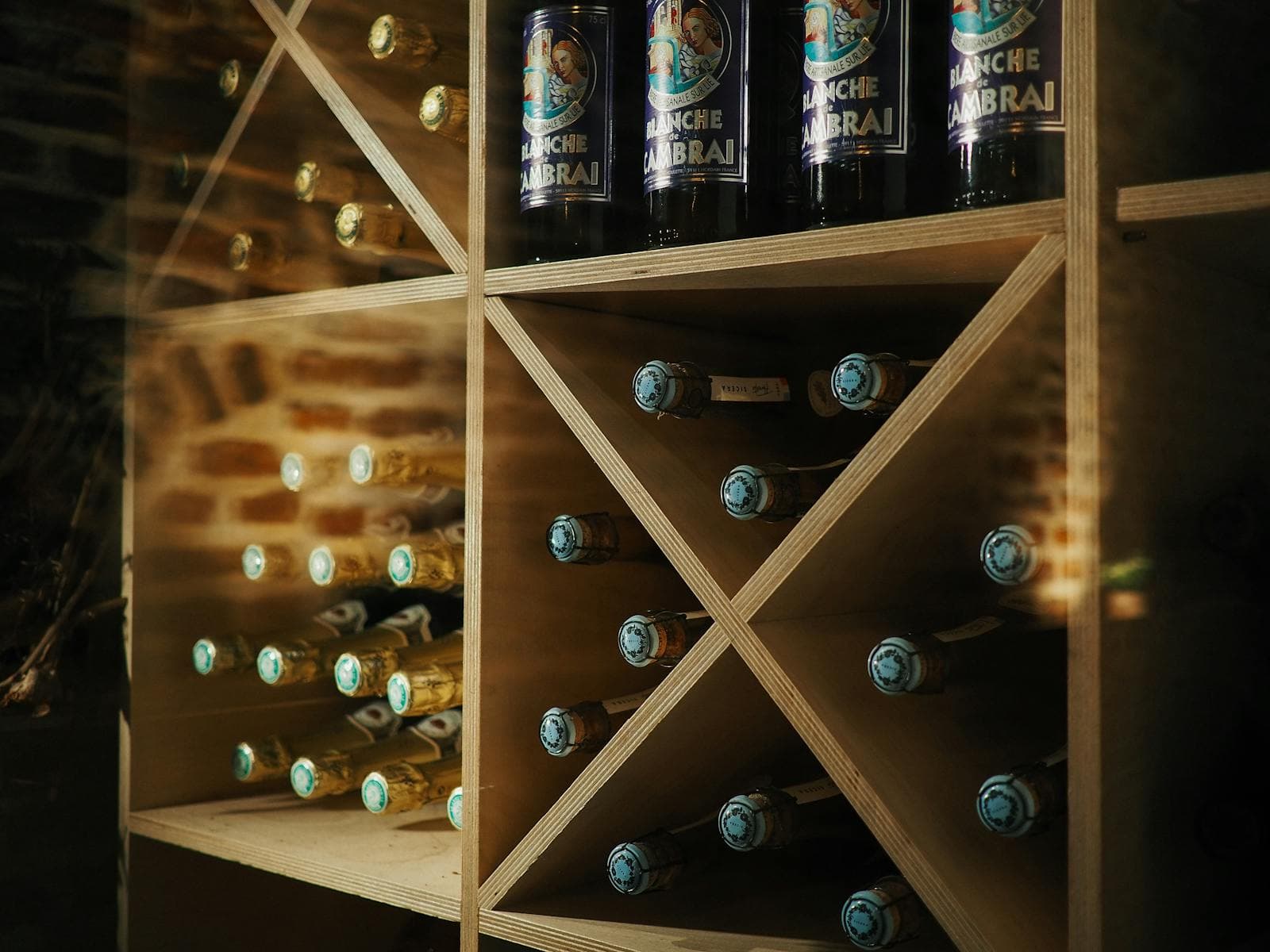
- Display rows and magnum slots
- Pull-out and rotating racks
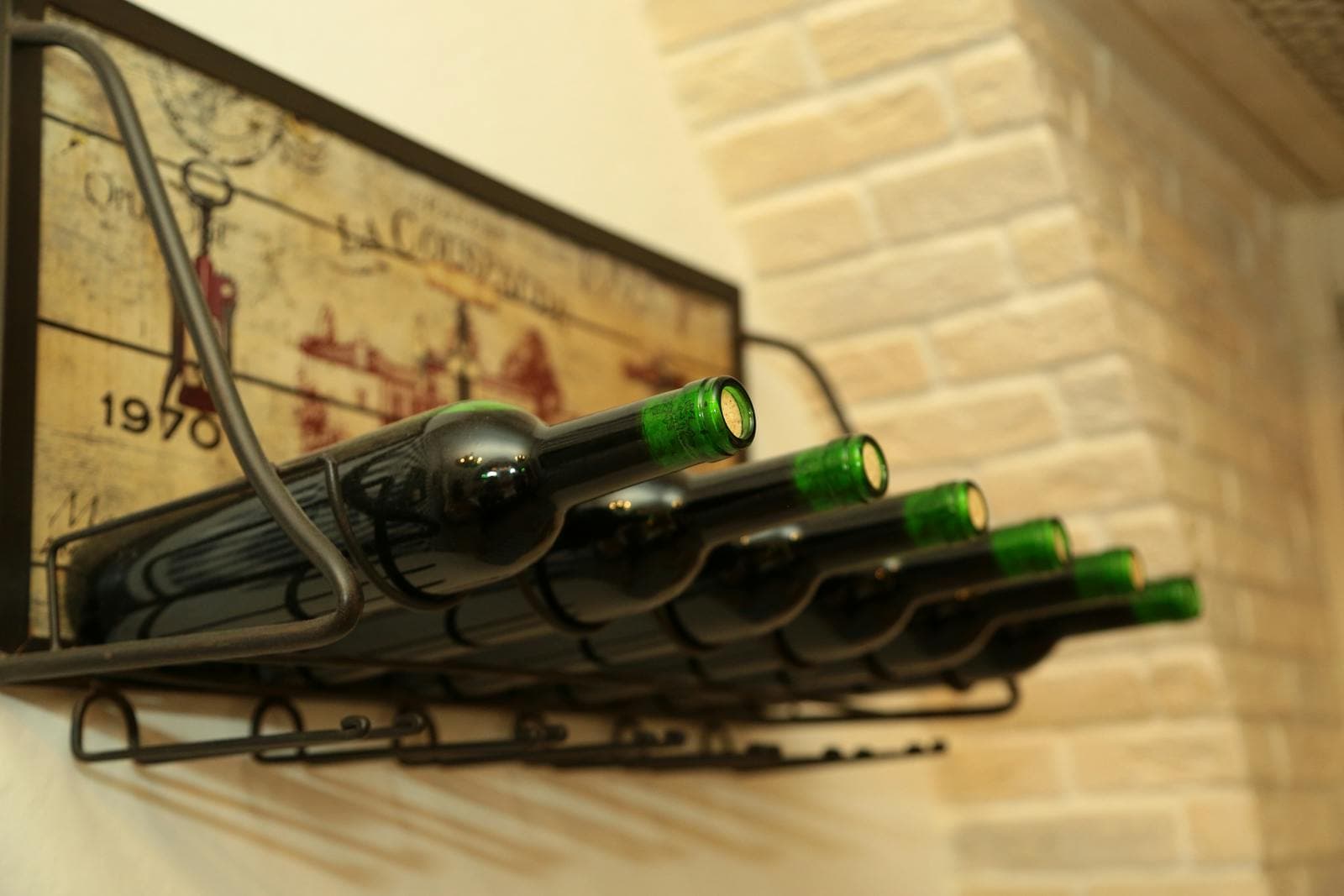
- Reclaimed-wood and metal systems
Technical Specifications
Wine storage mistakes that limit collections
- ✕Maximising density to the point that air cannot circulate — local hot spots and uneven aging
- ✕All single-bottle slots and no display rows — the cellar looks like a warehouse
- ✕No magnum or large-format slots — collectors run out of room for serious bottles within a few years
- ✕Racking material that is not properly sealed — warps, cracks, or stains at cellar humidity
- ✕Daily-drinking wine positioned at floor level or above shoulder height — every visit is a workout
Continue Your Cellar Project
Custom Wine Cellars
One-of-a-kind cellars built around your home, your collection and your taste.
Custom Wine Cellar Design
Bespoke 3D-rendered designs that match your home's aesthetic and storage goals.
Wine Cellar Installation
Professional installation from foundation to finish — structural, electrical and cooling.
Residential Wine Cellars
From basement vaults to glass-walled showpieces in luxury homes.
Wine Storage Solutions Questions
How many bottles can I fit in my space?+
Roughly 1 bottle per 0.7 cubic foot of cellar volume in a standard single-bottle racking layout, or up to 1 bottle per 0.4 cubic foot in maximum-density case-storage configurations. A standard closet (3 ft x 6 ft x 8 ft) can hold 200-450 bottles depending on layout. A garage bay (10 ft x 20 ft x 8 ft) can hold 2,000-4,500 bottles. We will give you a real bottle count for your specific room during the design phase, including allowance for cooling clearance, daily access, and 30% growth headroom.
Modular wine storage versus custom — which is right for me?+
Modular is right when you want a clean install in a standard rectangular room, your collection is in standard 750ml format, the cellar's visual style is contemporary, and budget is a primary driver. Custom is right when the room has any architectural complexity (sloped ceilings, columns, irregular geometry), when you collect mixed formats (magnums, large-format), when the cellar needs to integrate visually with existing millwork, or when you want a one-of-one design. We do both routinely — one is not better than the other, they fit different problems.
Can I add to my wine storage later as my collection grows?+
Yes — and you should plan for it from day one. Every storage layout we design includes 30% growth headroom by default. We also keep our racking designs in a CAD library so we can match exactly when you call back two years later to add another bay. For modular systems, we use product lines that have not changed catalogue in years and are unlikely to disappear. For custom systems, we keep your specific wood selection and finish records on file.
What does wine storage solutions typically cost?+
Pricing varies with the size of the room, the materials you pick and the condition of the existing space. A straightforward project usually lands between $8,000 and $35,000; larger custom builds run higher. We give you an itemized quote — labor, materials, cooling, electrical, permits — before we ask for a deposit, so you can compare apples to apples.
How long does wine storage solutions take from start to finish?+
Two to four weeks of work on-site is normal for a residential project, plus design and permitting up front. Larger custom builds run six to ten weeks. We hand you a real schedule on day one — and we update it every Friday.
Are you licensed, insured, and warrantied?+
Yes — fully licensed and insured in all 50 states, with HVAC-certified technicians on every cooling install and a 10-year structural warranty on every wine cellar we hand over. Our cooling units carry the manufacturer warranty plus our own service-plan coverage.
Will I work with the same team from start to finish?+
Yes. One project manager and one in-house crew handles the entire job. We never subcontract framing, cooling, racking or finish work to a third party — that's the whole reason the company exists.