
Residential Wine Cellars
Residential wine cellar construction is our heart and the core of our business. Roughly 90% of our work is for private collectors — homeowners who have outgrown their wine fridge, started collecting more seriously, or built a new home that demanded a real wine cellar. Residential wine cellars range from 200-bottle closet conversions in city apartments to 5,000-bottle estate vaults in luxury homes, and we build at every scale. Whether you are converting a basement, finishing an unused garage bay, integrating a cellar into new construction, or carving out a hidden room behind a bookshelf, the discipline is the same: design carefully, build properly, commission rigorously, and stand behind it for ten years.
Why residential wine cellars are their own discipline
Residential wine cellar work is different from commercial wine storage in ways that matter. The room sits inside someone's home, not in a separate facility. The work has to happen with people living in the house, kids and pets in the area, and existing finishes that have to be protected. Aesthetic standards are higher because the cellar will be seen by the homeowner every day and shown to friends regularly. Cooling has to be quiet enough not to disturb adjacent bedrooms or living spaces. The relationship with the homeowner extends past handover into years of service calls and maintenance. None of this happens with commercial cellar work. Our residential focus is why our crews are dust-conscious, our project managers are responsive, our cellars are visually finished to a standard most general contractors cannot match, and our service relationships last.
How we build residential wine cellars
Residential builds start with the homeowner conversation and the bottle count. We rarely meet a client whose collection is exactly what they think it is — there are always 200 bottles tucked away that did not make the count. We design for the count plus 30% growth, with daily-drinkers in easy-access positions and long-term wines in deep storage. Construction respects the rest of the house: floor-to-ceiling plastic isolation, daily site cleanup, careful protection of adjacent finishes, and quiet hours during normal cellar hours of operation. We coordinate with the homeowner's interior designer, architect, or general contractor where applicable. Climate commissioning runs for seven days under load before handover, and the homeowner receives a written report covering the final climate performance, the maintenance schedule, and the warranty terms. Our standard residential project takes six to twelve weeks of construction, plus design and permitting up front.
What's Included
- Basement and closet conversions
- New-construction integration
- Under-stair and pantry cellars
- Estate-scale dedicated rooms
Technical Specifications
Residential wine cellar errors we frequently fix
- ✕Cellar built next to a bedroom wall without acoustic isolation — cooling cycles wake the homeowner
- ✕Closet conversion with no exterior wall access — cooling unit cannot exhaust properly
- ✕Cellar door selected from a standard interior door catalogue instead of a real cellar door
- ✕Climate set to 50°F (too cold for mixed-inventory residential cellars) — cork stress over time
- ✕Cellar installed with no consideration for future expansion — first growth wave fills it within two years
Continue Your Cellar Project
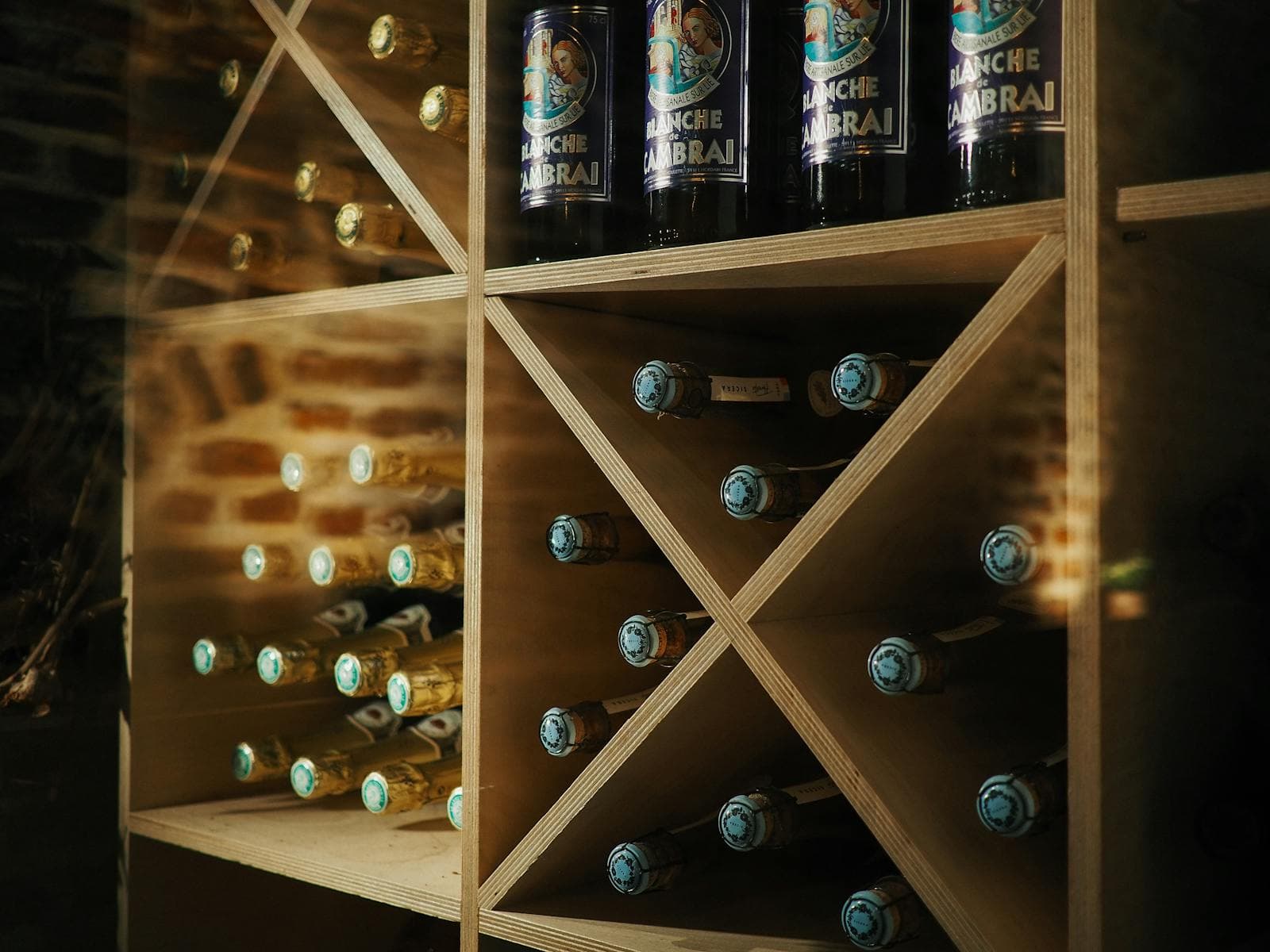
Custom Wine Cellars
One-of-a-kind cellars built around your home, your collection and your taste.

Custom Wine Cellar Design
Bespoke 3D-rendered designs that match your home's aesthetic and storage goals.
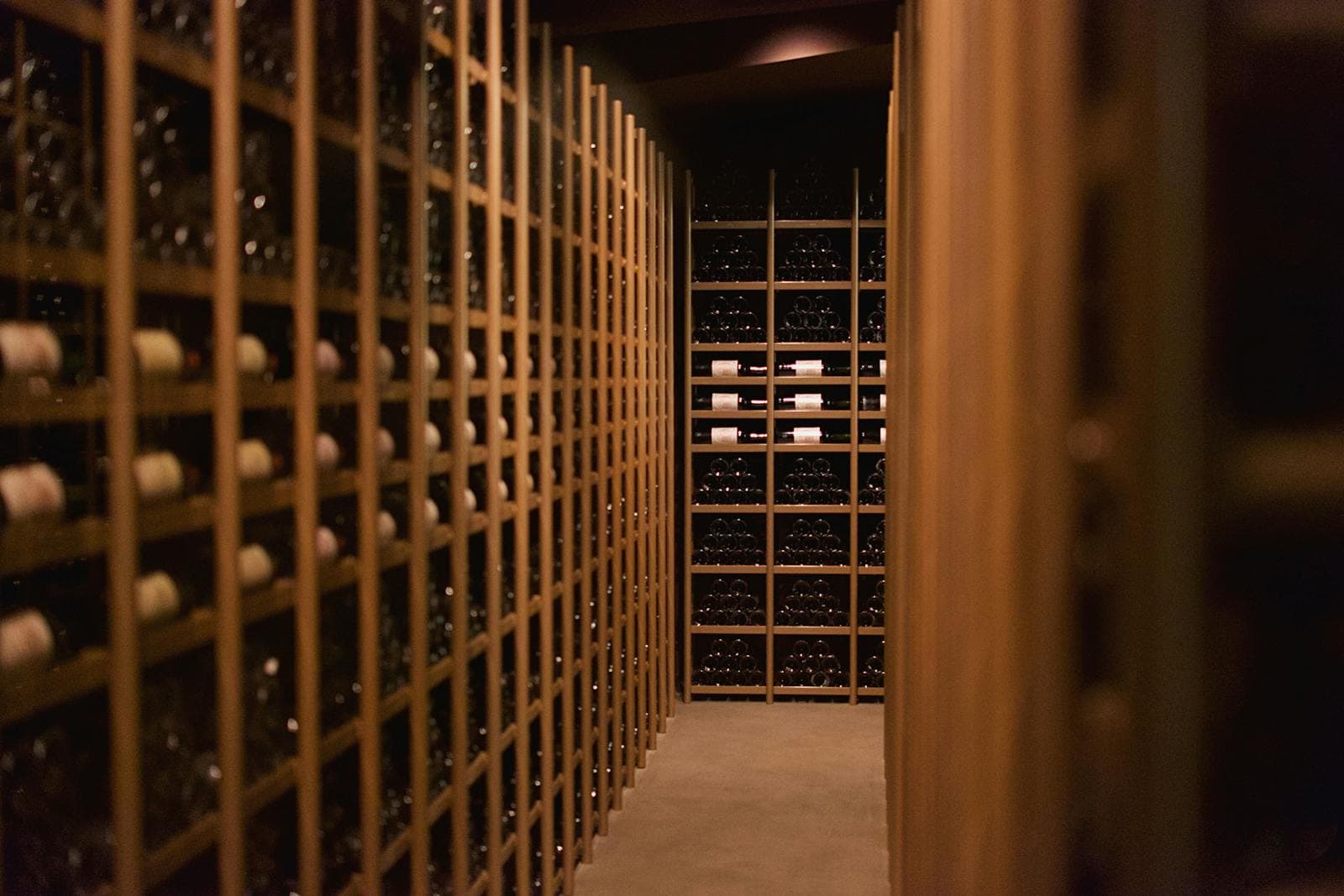
Wine Cellar Installation
Professional installation from foundation to finish — structural, electrical and cooling.
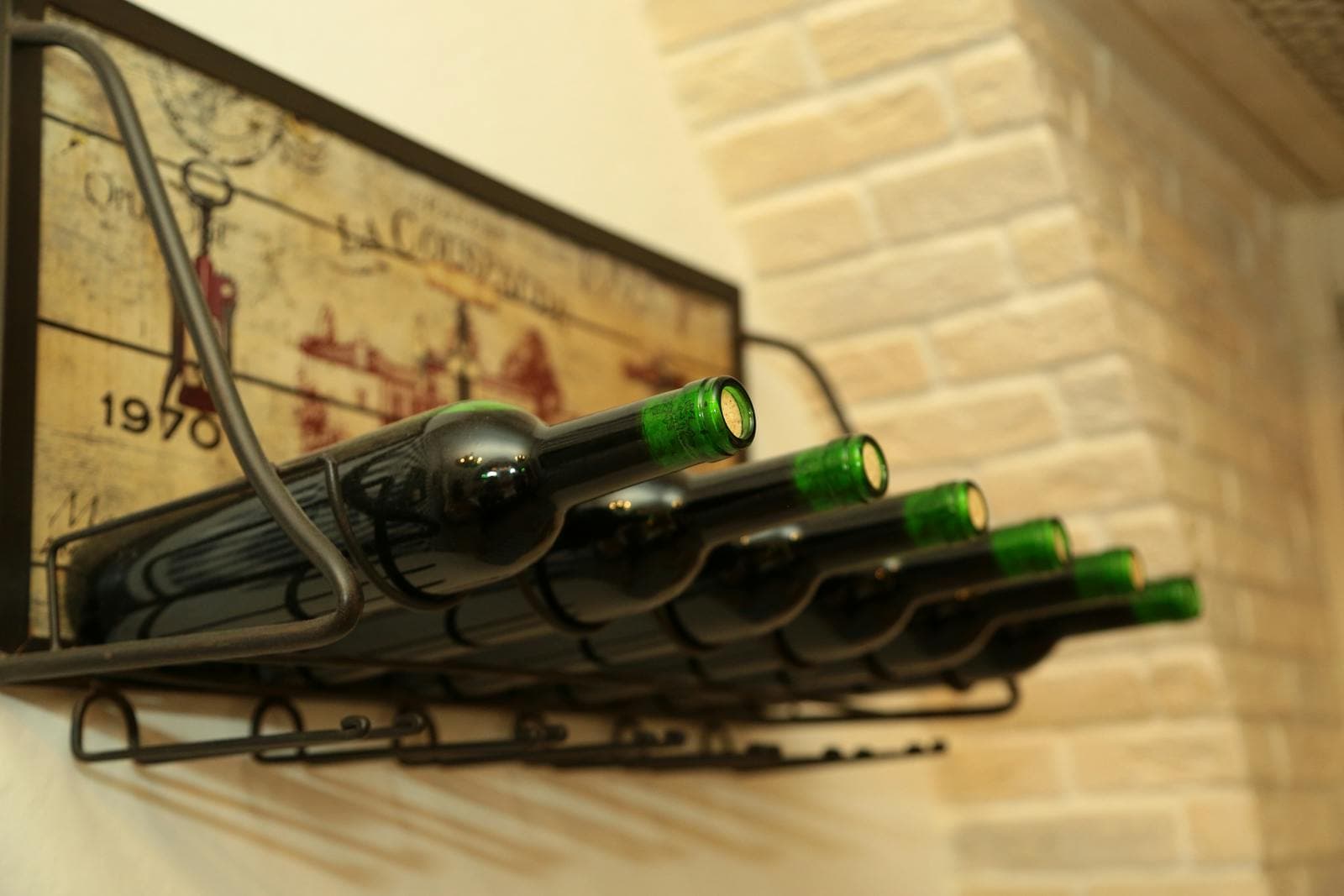
Wine Storage Solutions
Custom racking, modular kits, and innovative storage for any space and budget.
Residential Wine Cellars Questions
Will a residential wine cellar add value to my home?+
Almost always, yes. Real estate appraisers consistently value built-in wine cellars at 80-110% of construction cost in mid- and high-end markets, and the cellar can be a genuine differentiator at sale time. The premium is highest in metro areas with established wine cultures (Los Angeles, San Francisco, Miami, New York, Dallas, Houston, Chicago) and in homes priced above $1.5M where buyers expect amenities. Permitted, well-built, well-documented cellars carry the full premium. Unpermitted or poorly built cellars actually create disclosure issues at sale.
What is the smallest worthwhile residential wine cellar?+
About 150-200 bottles is the practical minimum for a real built-in cellar. Below that, a high-quality wine refrigerator (Sub-Zero, EuroCave) is usually the right answer — it is purpose-built for that range and costs much less than a built-in. Above 200 bottles, a built-in starts to make economic sense, and above 500 bottles a built-in is dramatically more cost-effective than multiple wine refrigerators. The break-even shifts based on the value of your collection and the value of the floor space.
Can you work alongside my interior designer or architect?+
Yes — and we frequently do. We collaborate well with interior designers on aesthetic decisions (wood selection, racking style, lighting, finishes), and with architects on structural and mechanical integration. We deliver our 3D renderings and CAD drawings in formats designers and architects use, attend coordination meetings, and accept their direction on aesthetic decisions while owning the technical decisions (envelope, cooling, climate engineering). Interior designers and architects appreciate working with a contractor who understands their language and respects their role.
What does residential wine cellars typically cost?+
Pricing varies with the size of the room, the materials you pick and the condition of the existing space. A straightforward project usually lands between $8,000 and $35,000; larger custom builds run higher. We give you an itemized quote — labor, materials, cooling, electrical, permits — before we ask for a deposit, so you can compare apples to apples.
How long does residential wine cellars take from start to finish?+
Two to four weeks of work on-site is normal for a residential project, plus design and permitting up front. Larger custom builds run six to ten weeks. We hand you a real schedule on day one — and we update it every Friday.
Are you licensed, insured, and warrantied?+
Yes — fully licensed and insured in all 50 states, with HVAC-certified technicians on every cooling install and a 10-year structural warranty on every wine cellar we hand over. Our cooling units carry the manufacturer warranty plus our own service-plan coverage.
Will I work with the same team from start to finish?+
Yes. One project manager and one in-house crew handles the entire job. We never subcontract framing, cooling, racking or finish work to a third party — that's the whole reason the company exists.