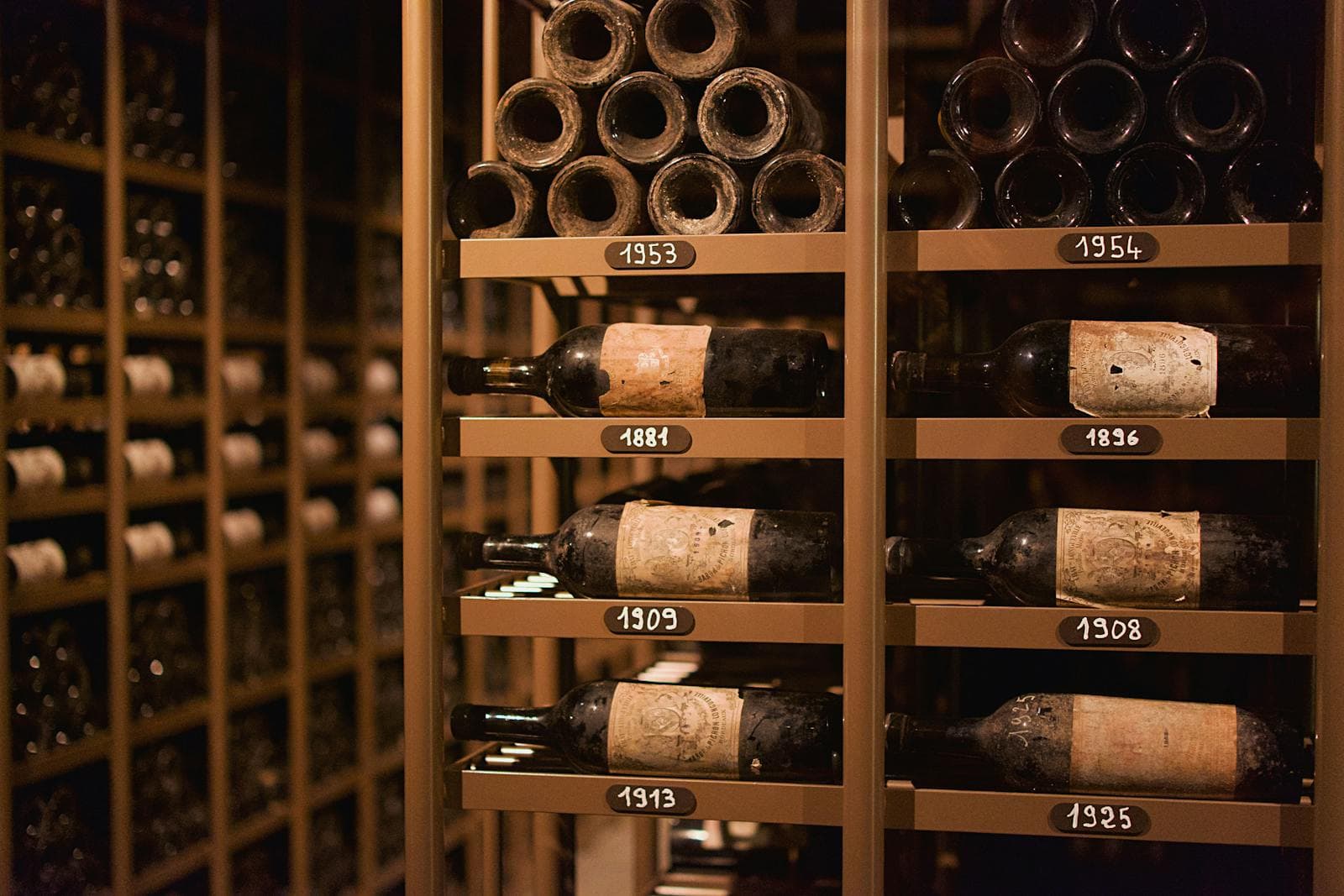
Humidity Control
Wine cellar humidity control sits in the shadow of temperature control, but it is just as important — arguably more so. Temperature drift damages wine slowly. Humidity drift damages wine fast. Below 50% relative humidity, corks dry, shrink, and lose their seal within months. Above 75%, mold blooms on labels, cork tops, and wood racking, and the cellar starts to smell musty. The target is 55-70% RH year-round, held within ±5%. Our humidity control systems combine integrated humidifiers, dehumidifiers (where ambient demands it), coordinated set-points to prevent fight cycles, and continuous monitoring with excursion alerts. Done right, humidity becomes a non-issue you never think about.
Why humidity control is the silent killer in most cellars
When a cellar fails on temperature, the cooling unit is obviously wrong and the homeowner notices. When a cellar fails on humidity, the symptoms are slow and often invisible until damage is done. Cork shrinkage from low humidity takes 6-18 months to manifest as oxidation in the bottles, by which point years of expensive wine has been quietly degrading. Mold growth from high humidity is a one-way trip — once the racking and bottle labels are infected, the only fix is removal and replacement. Most general HVAC contractors install cooling without thinking about humidity at all, assuming the cellar will 'find its level.' It will — usually at the wrong level. Our humidity control systems start with a humidity load calculation alongside the BTU calculation, size humidifiers and (where needed) dehumidifiers correctly, and program coordinated set-points so they never fight each other.
How we engineer humidity control
Humidity work starts with the same BTU load calculation that drives cooling sizing — but extended to compute moisture infiltration from outside ambient. In dry climates (Phoenix, Vegas, Denver, Salt Lake City) the cellar needs aggressive humidification because cooling cycles are constantly pulling moisture out of the air. In humid climates (Miami, Houston, Atlanta, Charleston) the cellar may need supplemental dehumidification beyond what the cooling cycle removes. We size humidifiers and dehumidifiers separately based on the cellar's specific moisture load, install them with coordinated set-points (humidifier at 60% RH lower bound, dehumidifier at 65% RH upper bound — no fight zone), and add continuous monitoring with text and email alerts on any excursion. Humidifier media is replaced annually as part of our maintenance plan; dehumidifier drains are inspected and flushed quarterly. The result is a cellar that reads 60% RH everywhere, every day, regardless of what is happening outside.
What's Included
- Integrated humidifier / dehumidifier
- Automated set-point control
- 55–70% RH stability
- Vapor seal evaluation
Technical Specifications
Humidity control errors we see most often
- ✕No humidifier installed — cooling cycles pull humidity to 35-40% and cork dries within months
- ✕Humidifier and dehumidifier on overlapping set-points — both run constantly fighting each other
- ✕Humidity sensor mounted near the humidifier output — reads the conditioned air, not cellar air
- ✕Humidifier media never replaced — mineral build-up cuts output by 60% within 18 months
- ✕Vapor barrier punctures left unsealed — outside humidity migrates in, system cannot keep up
Continue Your Cellar Project
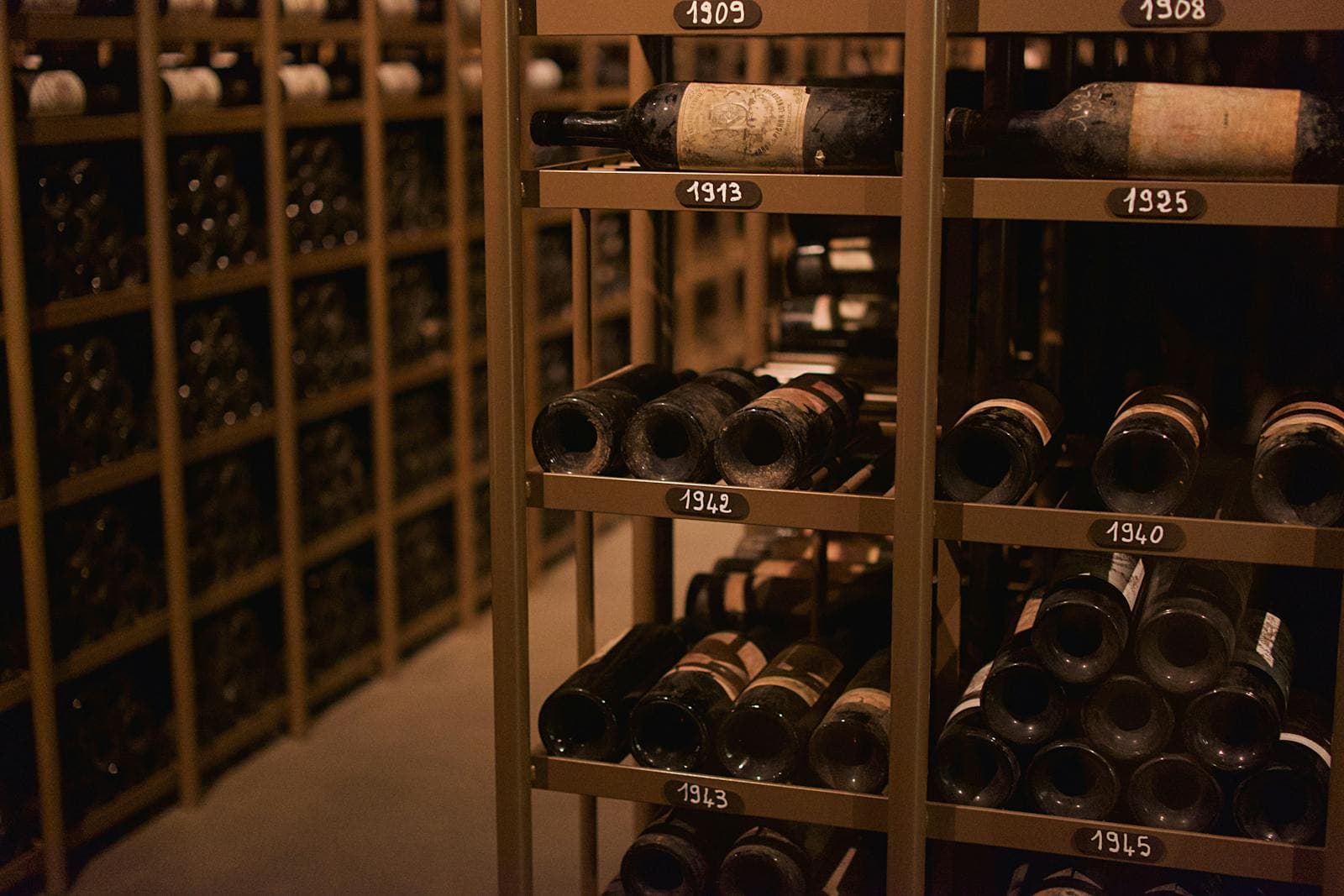
Wine Cellar Cooling Systems
Whole-cellar climate engineering — cooling, humidity, airflow and monitoring.
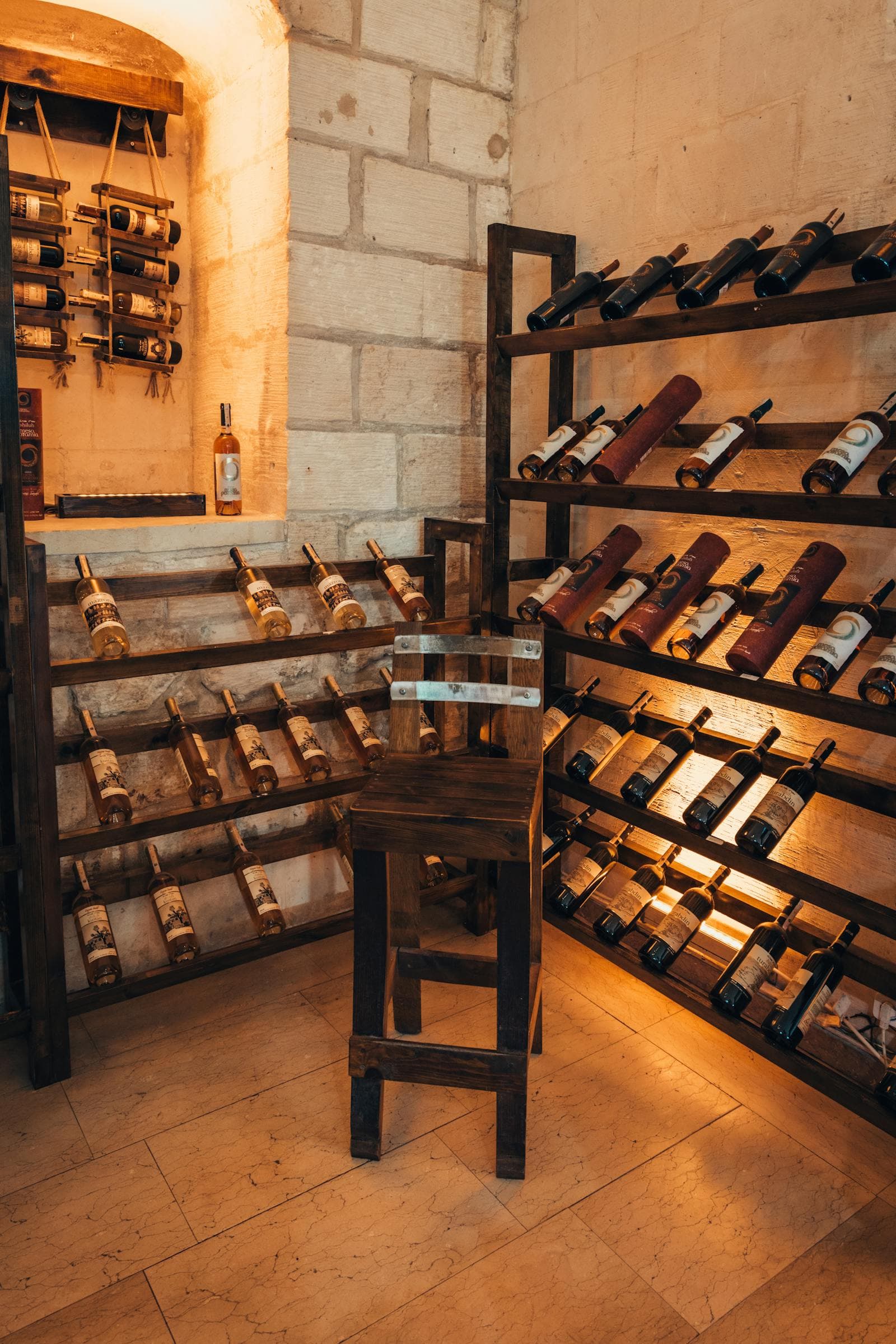
Temperature Control
Precision climate management — consistent 55°F, year-round, decade after decade.
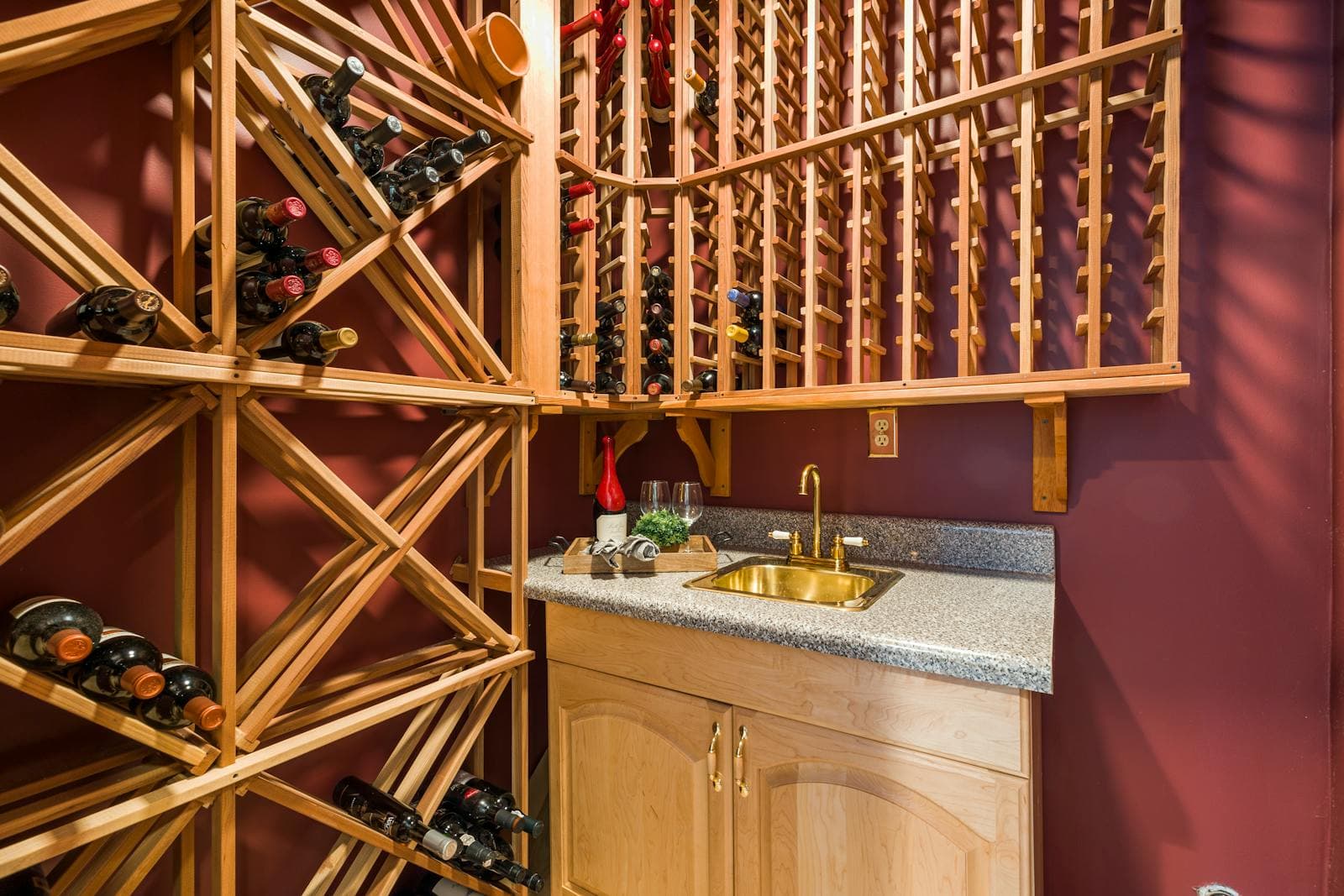
Wine Cellar Ventilation
Engineered airflow — return paths, mixing, and condensate management.
Maintenance & Service
Scheduled maintenance plans that keep your cellar performing flawlessly for life.
Humidity Control Questions
What humidity should a wine cellar maintain?+
55% to 70% relative humidity is the working range, with most cellars tuned to 60-65%. Below 50% the cork dries and shrinks. Above 75% mold becomes a real risk. Wine itself does not care about humidity directly — what matters is the cork. Sustained low humidity is more damaging than sustained high humidity because cork shrinkage is irreversible and lets oxygen into the bottle. We tune to 60% as the default and let the system drift naturally between 58% and 65% over the year.
Do I need a humidifier in my wine cellar?+
Almost always yes. Cooling units inevitably remove moisture from the air during their cycle — that is how refrigeration works. Without a humidifier returning that moisture, even a perfectly sealed cellar will drift to 40% RH or lower within a few months of operation. The exception is cellars in very humid climates (coastal Miami, New Orleans, Houston in summer) where the ambient infiltration rate may keep humidity above 55% naturally. Even those cellars usually benefit from a humidifier in the dry winter months.
Can high humidity damage my wine cellar?+
It can, and the damage is mostly aesthetic and structural rather than to the wine itself. Sustained humidity above 75% will grow mold on bottle labels (collectors care), on wood racking (we have to refinish), on the door gasket, and eventually on the drywall and ceiling. The wine inside the bottle is fine, but the cellar becomes a liability. Our dehumidifier installs in humid climates keep the cellar at 65-70% upper bound — high enough to protect cork, low enough to prevent mold.
What does humidity control typically cost?+
Pricing varies with the size of the room, the materials you pick and the condition of the existing space. A straightforward project usually lands between $8,000 and $35,000; larger custom builds run higher. We give you an itemized quote — labor, materials, cooling, electrical, permits — before we ask for a deposit, so you can compare apples to apples.
How long does humidity control take from start to finish?+
Two to four weeks of work on-site is normal for a residential project, plus design and permitting up front. Larger custom builds run six to ten weeks. We hand you a real schedule on day one — and we update it every Friday.
Are you licensed, insured, and warrantied?+
Yes — fully licensed and insured in all 50 states, with HVAC-certified technicians on every cooling install and a 10-year structural warranty on every wine cellar we hand over. Our cooling units carry the manufacturer warranty plus our own service-plan coverage.
Will I work with the same team from start to finish?+
Yes. One project manager and one in-house crew handles the entire job. We never subcontract framing, cooling, racking or finish work to a third party — that's the whole reason the company exists.